
When talking about kilns (and especially atmospheric or fuel-burning firings), you might hear the words updraft, downdraft, and cross-draft thrown around. But what does that actually mean?? And how does it relate to the work we make?

(Simon Levin, Illinois-based woodfire potter)
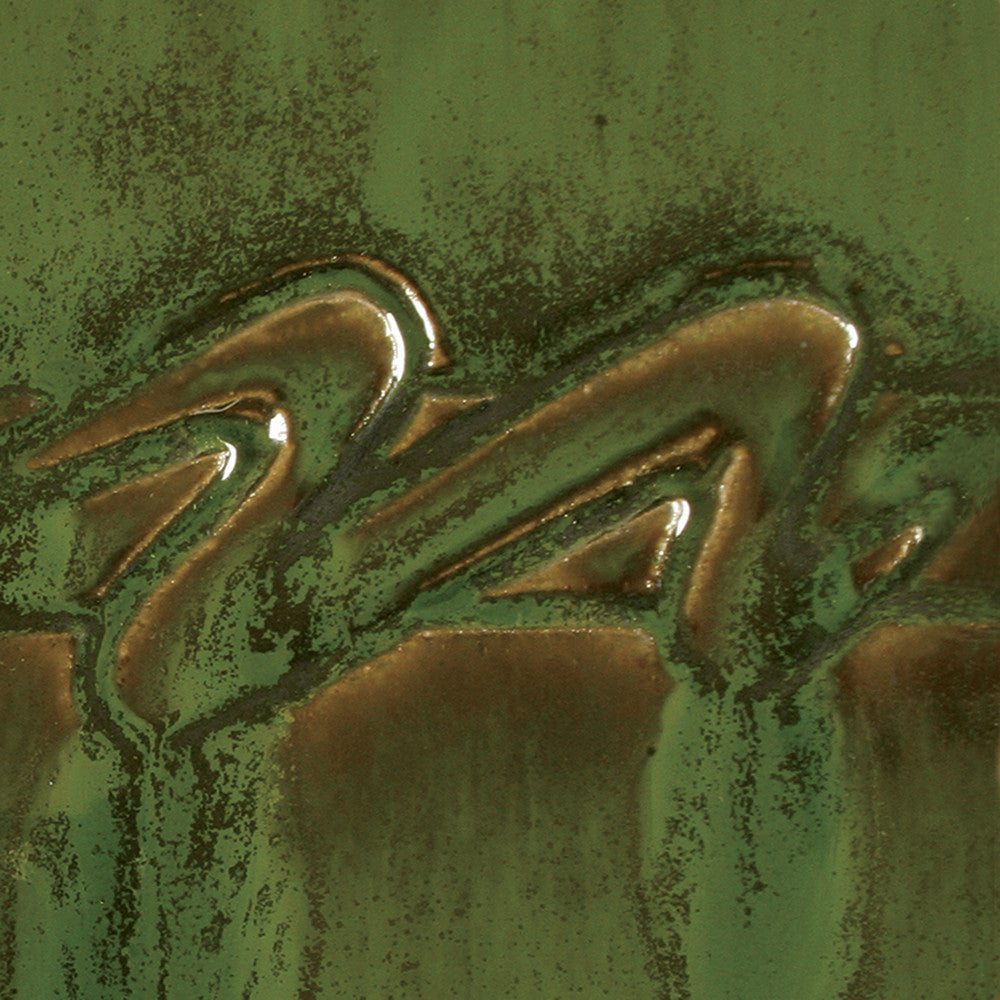
Starting off, many kilns rely on drafts (or movement of hot air) for heat distribution throughout the kiln. The shape of the kiln, amongst other variables, dictates the kind of draft it will use to fire properly. Even electric kilns will utilize downdraft vent systems in order to distribute heat in the kiln! This drafting is not only imperative for heat distribution, but the narrow flame path of the draft around and between the pots will cause some particularly beautiful flame markings, as seen above.
By using passive or active dampers (air controls in the chimney), this draft flow can be accelerated or decelerated.

Illustrations from The Kiln Book, Fred Olsen
Updraft
Some of the oldest types of kilns utilize updraft systems. This type of draft is created by inlet flues at the bottom of the kiln — where air and heat passes into the chamber and exits through flues in the arch, dome, or chimney. A great example of these are the bottle kilns used in famous UK potteries like Stoke on Trent in the late 18th and 19th centuries.
There are also many different kinds of primitive and unique updraft kilns still being used in Spain, Nigeria, Mexico, Africa, India and South America.


Illustrations from The Kiln Book, Fred Olsen
Downdraft
Downdraft kilns on the other hand — these have air flow that enters the inlet ports near the bottom of the kiln, moves through the flame / fuel source, circulates up around the inside of the kiln, and passes through the floor exit flues. Many gas / reduction kilns are downdraft kilns (but not all of them!)
These originated around the 1800's to replace the updraft "bottle" kilns (per the section above) and often fired more efficiently, evenly, and reduced fuel usage. They were also able to control temperature distribution in kilns with larger chambers.


Crossdraft
Crossdraft kilns utilize air flow and flame movement from an inlet on one side of the kiln chamber (often lower in elevation) that exits on the opposite side of the chamber, moving along the curve of the arch. Some common crossdraft kilns are tube kilns, multiple chamber kilns (like the noborigama), and single chamber kilns (like the popular inverted crossdraft train kiln that was created by John Neely in 1995).


Illustrations from The Kiln Book, Fred Olsen
Multi-directional draft
Multi-directional drafting kilns are pretty rare, but you can absolutely have multiple drafts directions moving throughout the kiln! These are often experimental designs, like Fred Olsen's anagama/groundhog kiln derivative — where the two kilns basically bisect each other in the middle. By controlling the direction of the draft from both sides of the kiln, you might see overlapping flame patterns and ash deposits. Alternating stoking rhythm in the two fireboxes (the wood source at the front of each opening) can also create some pretty fantastic results.

Illustration of a Danish church kiln from The Kiln Book, Fred Olsen
Zeynep Uner is the current kiln and wheel repair apprentice at Bracker’s, working directly with David Sturm (the head tech) on repairs large and small. She has been repairing kilns for approximately 3 years now, and has been absorbing everything she possibly can from David’s 30+ years in the field.
Zeynep enjoys atmospheric firing, taking film photos, and throwing on her old Brent kick wheel.