

MS-44 MOTTLED SPICE Moroccan Fusion Glaze
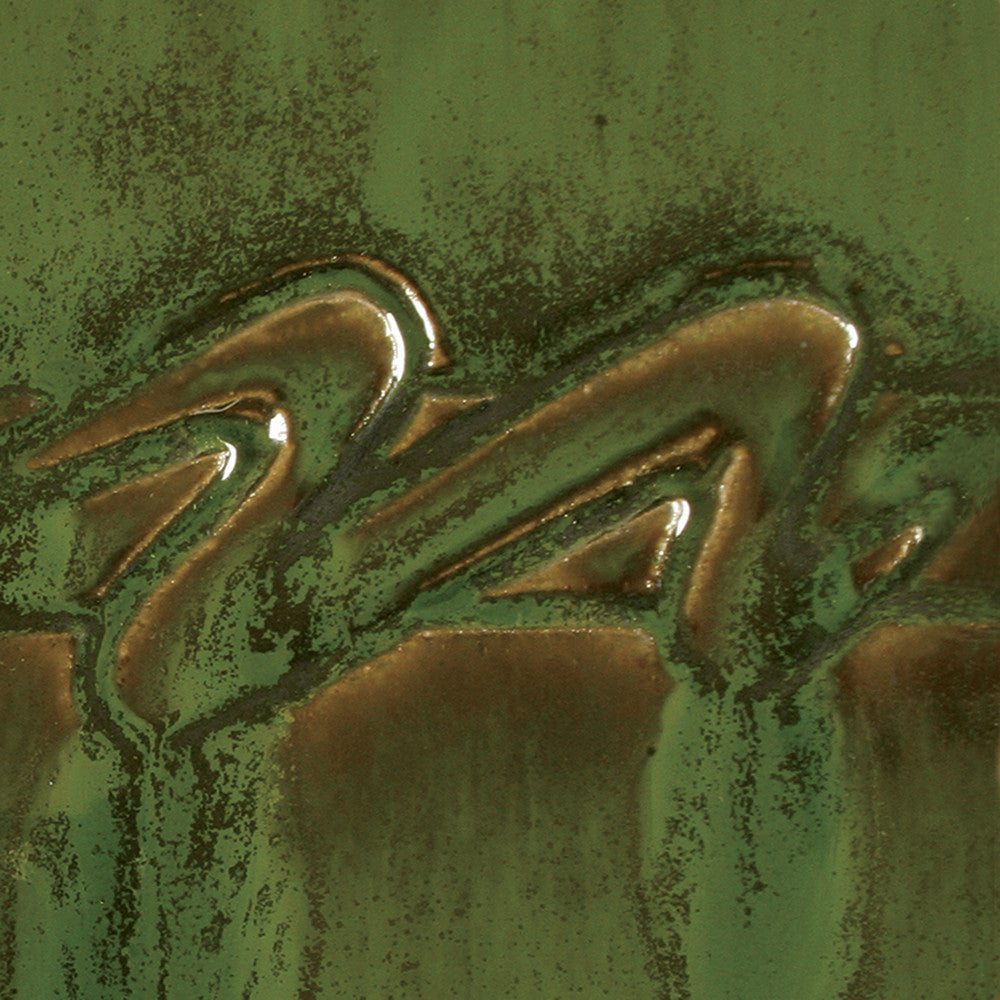
MS-44 MOTTLED SPICE Moroccan Fusion Glaze
Share this product
Pre-Order/Special Order
Glaze Characteristics
Glaze Characteristics
Firing Range:
Color(s): Tan and Brown
Glaze Finish: Gloss
Surface Appearance: Mottled
Shipping & Other Details
Shipping & Other Details
We regularly analyze sales data to determine glaze interest, particulaly in lines that are new to our store for the purpose of maintaining appropriate stock of popular items. If you have a favorite glaze we aren't currently stocking and you would like us to, please let us know.
Current stock details about this glaze:
Safety
Safety
Firing conditions vary. Although all glazes are tested before shipping, it is essential that you test fire all glazes (stock or custom) in your kiln and your firing environment before using them in production. Laguna’s liability is strictly limited to the replacement of defective material.
Wear proper safety equipment when interacting with dry clays, glazes and other ceramic materials. This should include, but not be limited to, a NIOSH-approved respirator. Always read the Material Safety Data Sheet (MSDS) on the ceramic materials you purchase.
⚠️ WARNING Prop 65
Some of our products can expose you to chemicals including crystalline silica, which are known to the State of California to cause cancer, and Lithium Carbonate, which is known to the State of California to cause birth defects or other reproductive harm. For more information, visit:
www.p65warnings.ca.gov
Your payment information is authorized at checkout, your order is then reviewed by staff, and your payment is processed securely after your order is confirmed. We do not store credit card details nor have access to your credit card information.
Information & References
Laguna Glaze FAQ
Laguna Glaze FAQ
I fire in a community/studio kiln…will my clays and glazes
be okay if I fire to Cone 6?
Yes, that’s perfectly fine, our clays and glazes do great fired to Cone 6.
Here are some exceptions:
Certain glazes like our Crystal Blossoms do have a specific firing schedule to adhere to in order to achieve optimal results, they can be found here.
Just certain clays such as B-Mix with Speckles WC-408, #50 WC606, or ^5 Half and Half WC402 should only be fired to Cone 5 as they if will bloat if fired hotter.
I just opened my glaze pint and it’s pretty thick, is
this okay to use?
Yes, Laguna Glaze can be thicker than other companies! That is good for the consumer as you will find more value in each bottle. There are two steps to take when opening a Laguna glaze.
- Shake very well. Materials settle giving a very think consistency. This will help you even out the consistency.
- Add water to thin to your particular desire, realizing that that color of the glaze will not be effected. You may need an extra coat if very thin.
Do I need to bisque fire before glazing?
Yes, unless you're working with a single-fire technique. Bisque firing helps clay become porous and durable enough to absorb glaze without collapsing or cracking in the glaze firing.
What temp should I bisque my ware to?
Hotter or cooler bisque temps can affect glaze application, but in general, Cone 04 is recommended. Firing Schedules can be found here.
What cone should I fire my glaze to?
Always refer to the label. Laguna glazes are formulated for specific temperature ranges (e.g., Cone 06, Cone 5, Cone 10). Firing outside that range can cause defects like pinholing, crawling, or running. Firing Schedules are here.
Why is my glaze crawling or not sticking?
This can happen if your bisque ware is too dusty, the glaze is applied too thick, or it wasn't mixed thoroughly. Always wipe bisque with a damp sponge before glazing and stir glazes well before use.
Can I layer Laguna glazes with other glazes?
Yes, many Laguna glazes can be layered creatively—but always test first! Some combinations can run, change color, or produce unexpected results depending on the chemistry.
Why do some glazes look different after firing than they
do in the bottle?
Glaze chemistry changes during firing, raw colors often bear no resemblance to the final finish. Always refer to fired sample tiles or test on your own pieces before full application.
Laguna Glaze Usage
Laguna Glaze Usage
Guidelines for Using Laguna Glazes
Low Fire Glazes
Low fire talc bodies provide an excellent medium for ceramic art and a base for a large selection of commercially available textures, satins, satin mattes and vivid gloss colors. Laguna offers an extensive and ever-growing line of lead free, low fire glazes and underglazes perfect for use with our low firing modeling clays such as EM-207 and EM-210.
The use of lead free clear glazes over underglaze colors allows for precise color and design considerations. Laguna’s EM-2134 is a spectacular crystal clear transparent, perfect for use over colorful underglazes. Also recommended are the lead free EM-1000 Series Glazes and the EM-8000 Series Underglazes.
Some hints when using underglaze decorations:
1. Bisque at Cone 05-04 and glaze fire to Cone 06. The higher bisque temperature will burn out material that might otherwise cause problems in the glaze firing.
2. Lead free clear glazes are best when applied very thin. If the glaze surface feels dry, apply a thin coat of glaze and refire.
3. White underglaze may be used to mute underglaze colors
Cone 5 Glazes
Most of the lead free Cone 5 glazes we offer are formulated to be fired in oxidation. Each has its own distinct surface quality, which will change in relation to the clay body you choose and method of application you employ. If you find the glaze is too thick straight from the container, Laguna recommends portioning what you intend to use into another container and thinning with water to the desired consistency. Always test your application and firing method when using new glazes and clay bodies. Laguna's Moroccan Sand liquid glazes are formulated for brushing and have been the standard for Cone 5 glazes since the 1970's. This mature series features over 100 glazes in a wide variety of colors and surfaces-all are lead free, certified non toxic and dinnerware safe if fired properly on a compatible clay body. Many will give a reduction fired look to oxidation fired pieces.
Laguna's Specialty Art Glazes, Crackle Glazes, Crystal Blossom Glazes, and Mystic Glazes offer a stunning variety of texture, mobility and mottling. Within each group, we offer the base glaze for a head start on a unique signature glaze to set off any one of our Cone 5-6 Clays and porcelains. All of these glazes are lead free and certified non toxic. Crackle glazes are not considered dinnerware safe due to the possibility of bacterial growth in the cracks.
Cone 10 Oxidation
Most stoneware glazes can be fired in oxidation. Cone 10 oxidation firings come into play when more controlled, stable and reliable results are needed. Many commercial manufacturers employ high fire oxidation to produce durable ware with consistent results. Items like fine dinnerware, jewelry and sanitaryware are often fired in this range and atmosphere.
Cone 10 Reduction
Cone 10 stoneware glazes are unique in that the firing plays such an important role in the process. Most of the Cone 10 glazes we offer are intended to be enhanced by reduction firing. Impurities and tracemetals in the clay and glaze will react with carbon in the kiln atmosphere to create spotting. Reduction firing also causes glazes to attain a warm color and a smooth, durable surface quality. Oxides react in various and sometimes spectacular ways depending on the glaze compositions. Each firing creates a certain unique quality in the ware.
Laguna Glaze Tips
Laguna Glaze Tips
Fill in the text content of the collapsible item here. You can provide details and explanation for the question here.
1. Brushing Glazes Application
• Application: Apply 2–3 even coats using a soft fan brush, allowing each coat to
dry thoroughly before the next.
• Consistency: Ensure the glaze has a creamy consistency. If the glaze is too
thick or cracks upon drying, consider adding a gum solution or water (1
tablespoon gum solution to ¼ cup distilled water) to improve brushability and
prevent defects.
2. Dipping Glazes Mixing
• For Laguna dry dipping glazes, mix to a specific gravity of 1.46–1.47 for clear dipping
glazes, 1.55 for color dipping glazes.
• Application: Dip the bisque-fired piece for 2–4 seconds to achieve a uniform coat.
3. Spray Application
• Technique: Apply multiple thin, even layers, allowing each to dry before the next.
This method helps achieve a uniform surface and is ideal for avoiding brush marks.
4. Clay Body Considerations
• Interaction: Glaze behavior can vary significantly depending on the clay body. For
instance, glazes may appear more vibrant on white clay bodies and may run more
on porcelain due to its higher bisque absorbency.
5. Running Potential
• High-Flux Glazes: Glazes with high flux content, such as certain glossy like or our
crystalline glazes, are more prone to running, especially when applied thickly or onvertical surfaces. It's advisable to avoid heavy application near the boom third of
vertical pieces.
6. Specialty Glazes
• Dry Lake Glazes: Apply 2–3 coats, allowing each to semi-dry between
applications. The thicker the application, the more pronounced the texture.
These glazes are recommended for decorative surfaces only. They can be
applied over gloss glaze for a slightly flaer texture.
• Crystal Glazes: Stir thoroughly before use to evenly distribute. Apply 2–3
coats, ensuring crystals are not concentrated near the boom of the piece to
prevent excessive running.
7. Firing
• Temperature: Most of our Mid-range glazes are formulated for firing at Cone 5–6.
8. Testing
• We recommend that the distributor encourages customers to do small-scale test
firings on their local clay bodies to assess glaze fit and behavior before commiing
to full-scale production.