
Laguna Glaze Tips
1. Brushing Glazes Application
• Application: Apply 2–3 even coats using a soft fan brush, allowing each coat to
dry thoroughly before the next.
• Consistency: Ensure the glaze has a creamy consistency. If the glaze is too
thick or cracks upon drying, consider adding a gum solution or water (1
tablespoon gum solution to ¼ cup distilled water) to improve brushability and
prevent defects.
2. Dipping Glazes Mixing
• For Laguna dry dipping glazes, mix to a specific gravity of 1.46–1.47 for clear dipping
glazes, 1.55 for color dipping glazes.
• Application: Dip the bisque-fired piece for 2–4 seconds to achieve a uniform coat.
3. Spray Application
• Technique: Apply multiple thin, even layers, allowing each to dry before the next.
This method helps achieve a uniform surface and is ideal for avoiding brush marks.
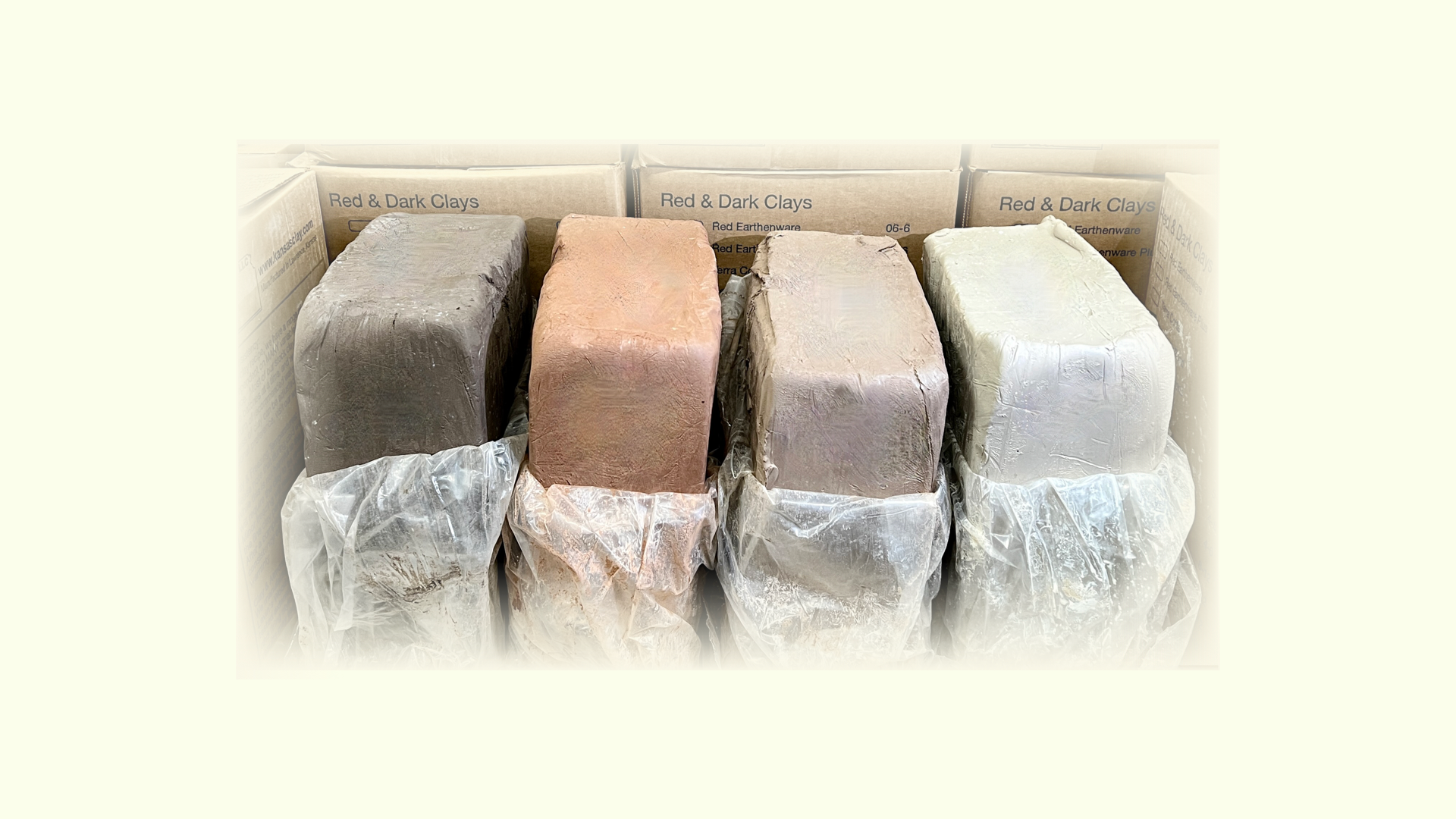
4. Clay Body Considerations
• Interaction: Glaze behavior can vary significantly depending on the clay body. For
instance, glazes may appear more vibrant on white clay bodies and may run more
on porcelain due to its higher bisque absorbency.
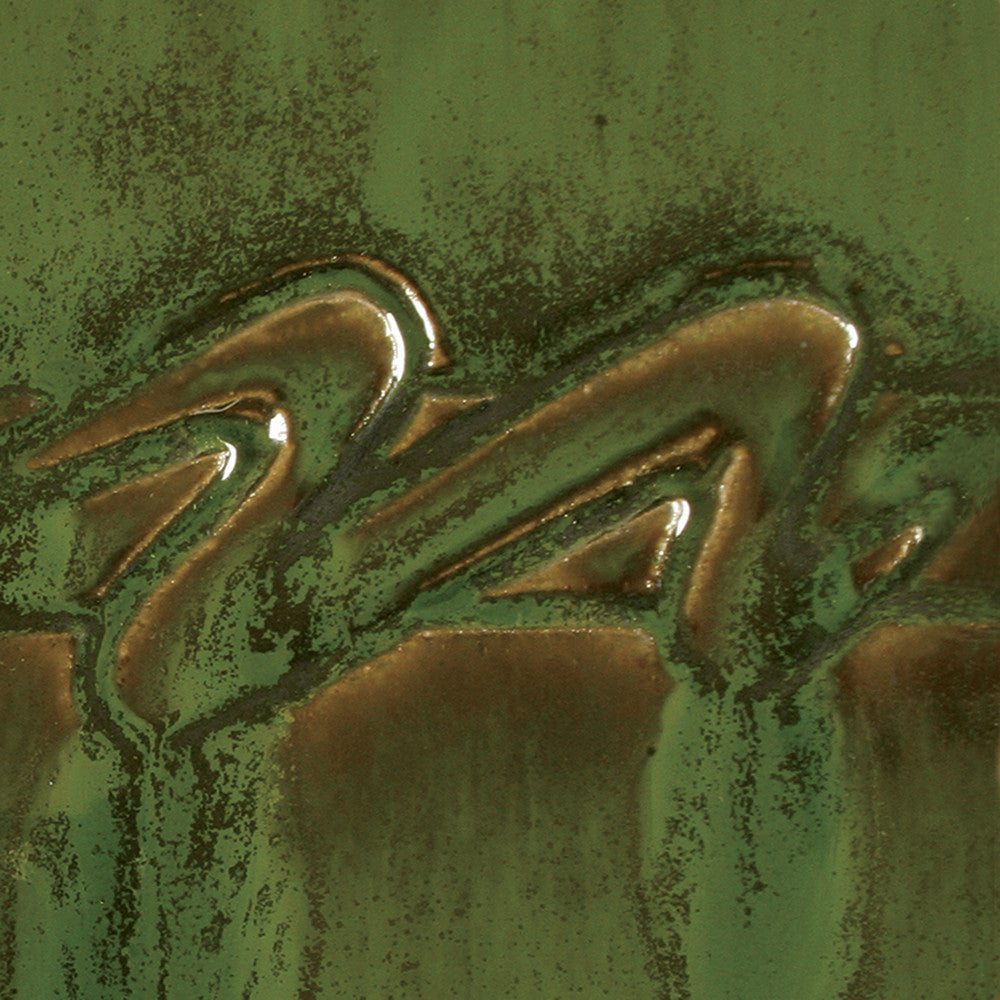
5. Running Potential
• High-Flux Glazes: Glazes with high flux content, such as certain glossy like or our
crystalline glazes, are more prone to running, especially when applied thickly or onvertical surfaces. It's advisable to avoid heavy application near the boom third of
vertical pieces.
6. Specialty Glazes
• Dry Lake Glazes: Apply 2–3 coats, allowing each to semi-dry between
applications. The thicker the application, the more pronounced the texture.
These glazes are recommended for decorative surfaces only. They can be
applied over gloss glaze for a slightly flaer texture.
• Crystal Glazes: Stir thoroughly before use to evenly distribute. Apply 2–3
coats, ensuring crystals are not concentrated near the boom of the piece to
prevent excessive running.
7. Firing
• Temperature: Most of our Mid-range glazes are formulated for firing at Cone 5–6.
8. Testing
• We recommend that the distributor encourages customers to do small-scale test
firings on their local clay bodies to assess glaze fit and behavior before commiing
to full-scale production.